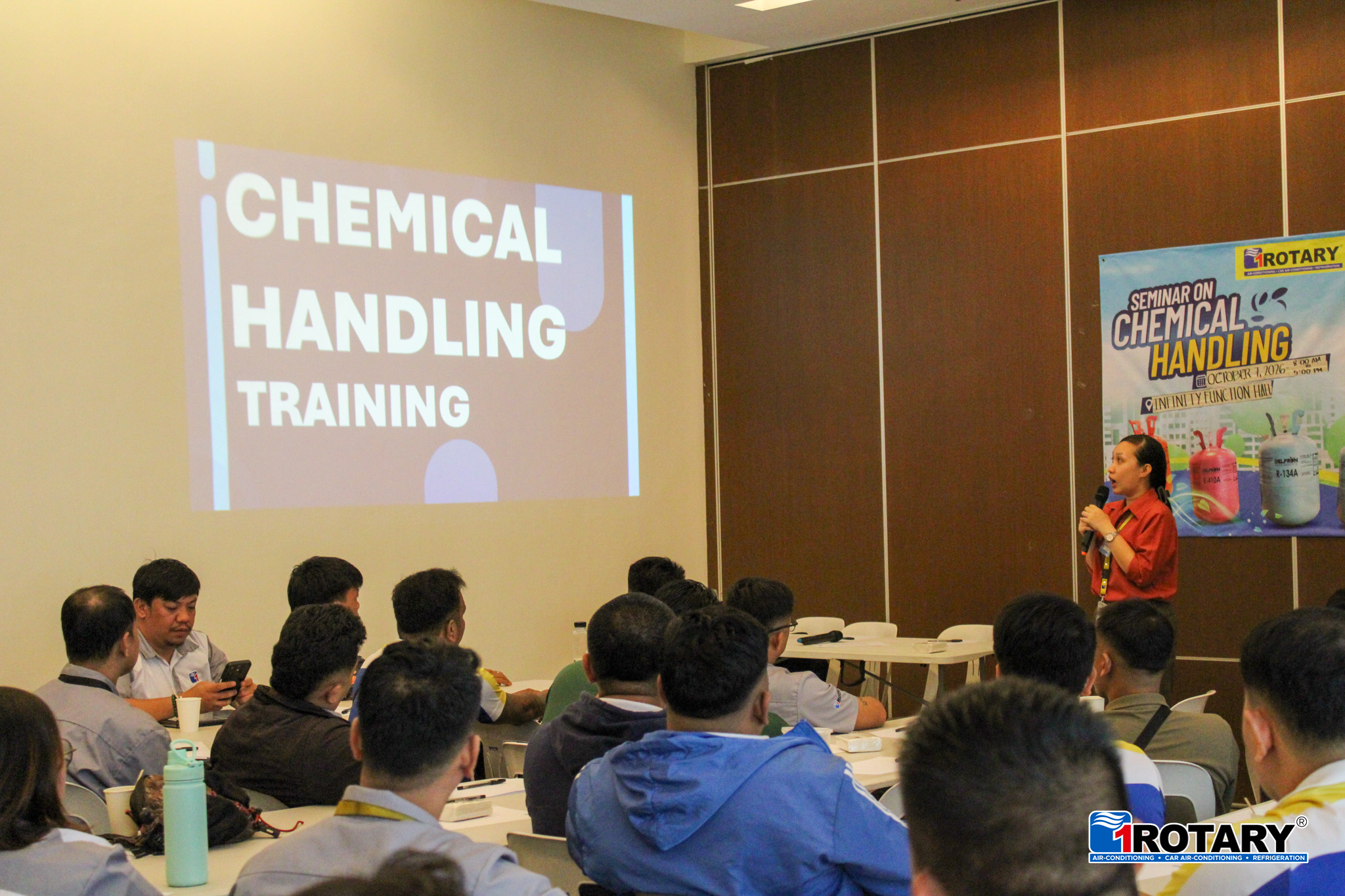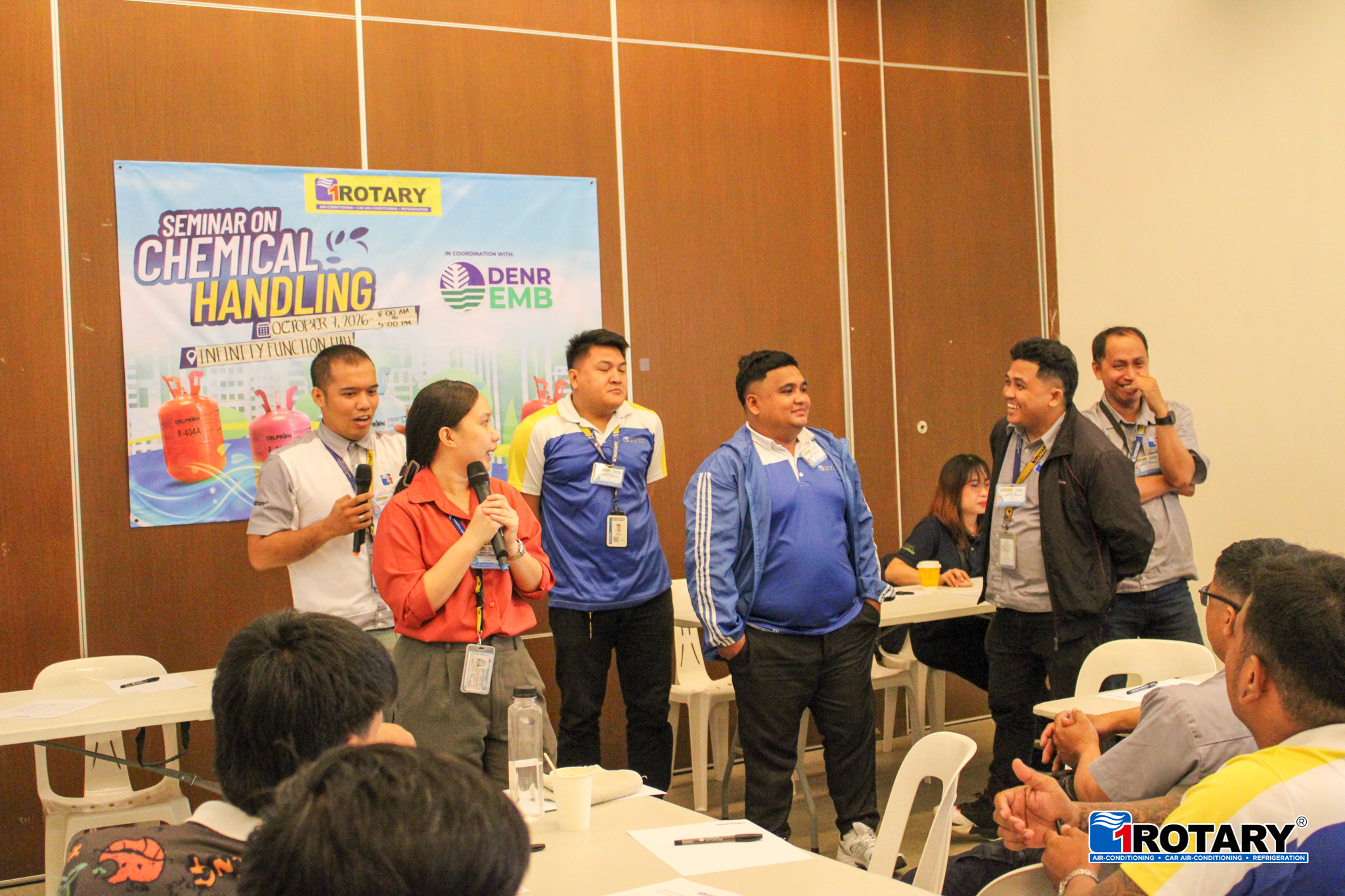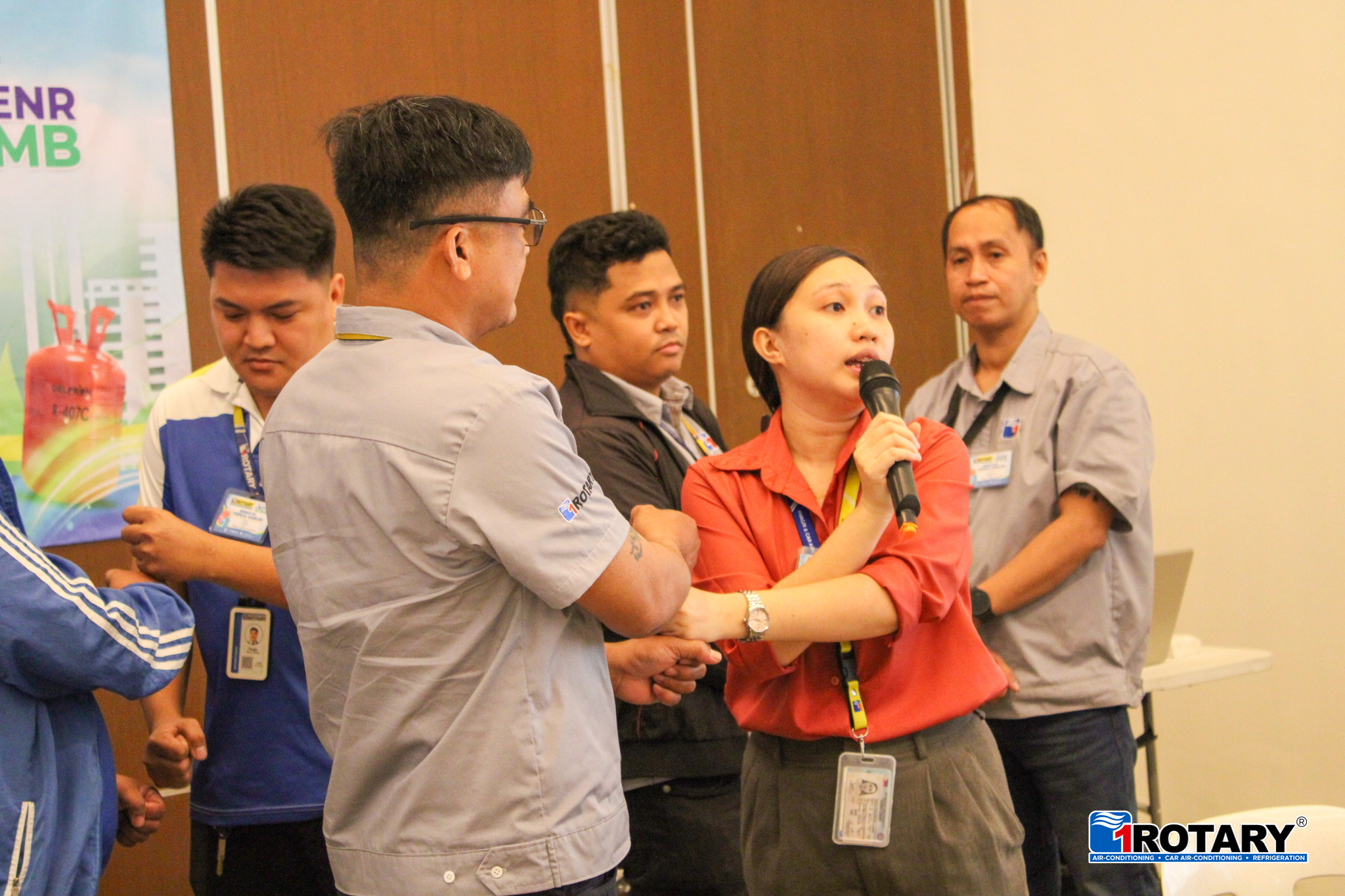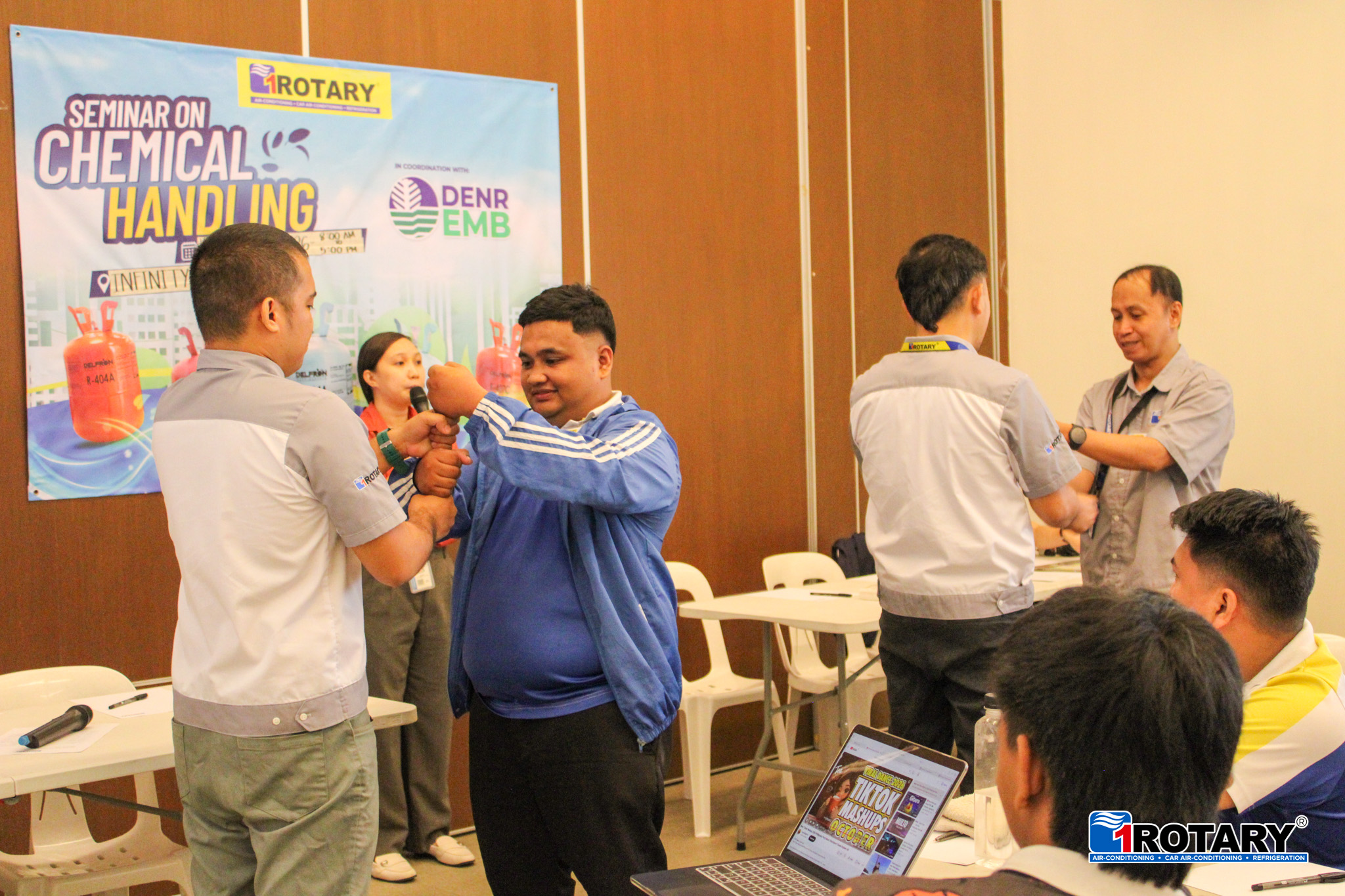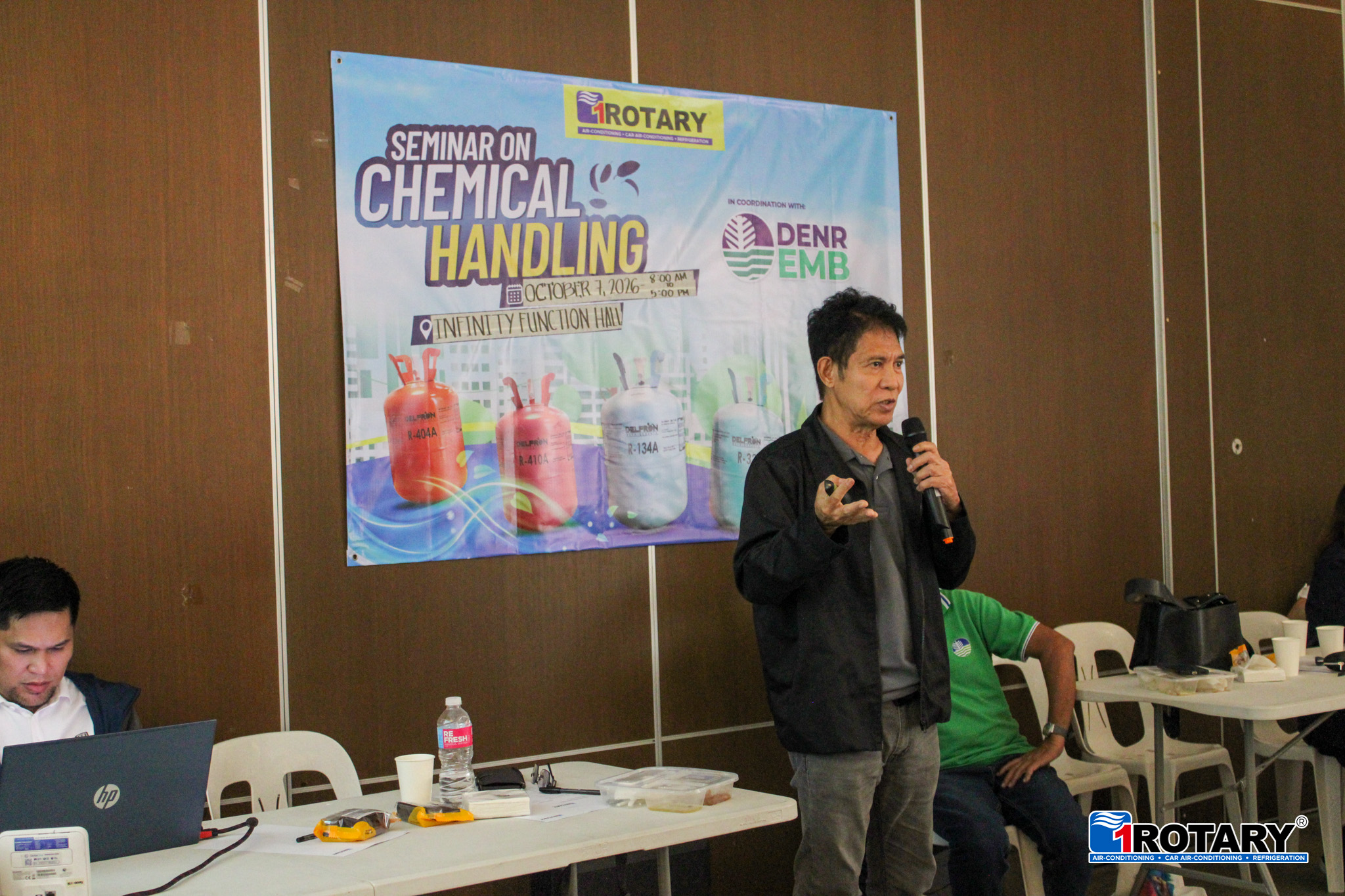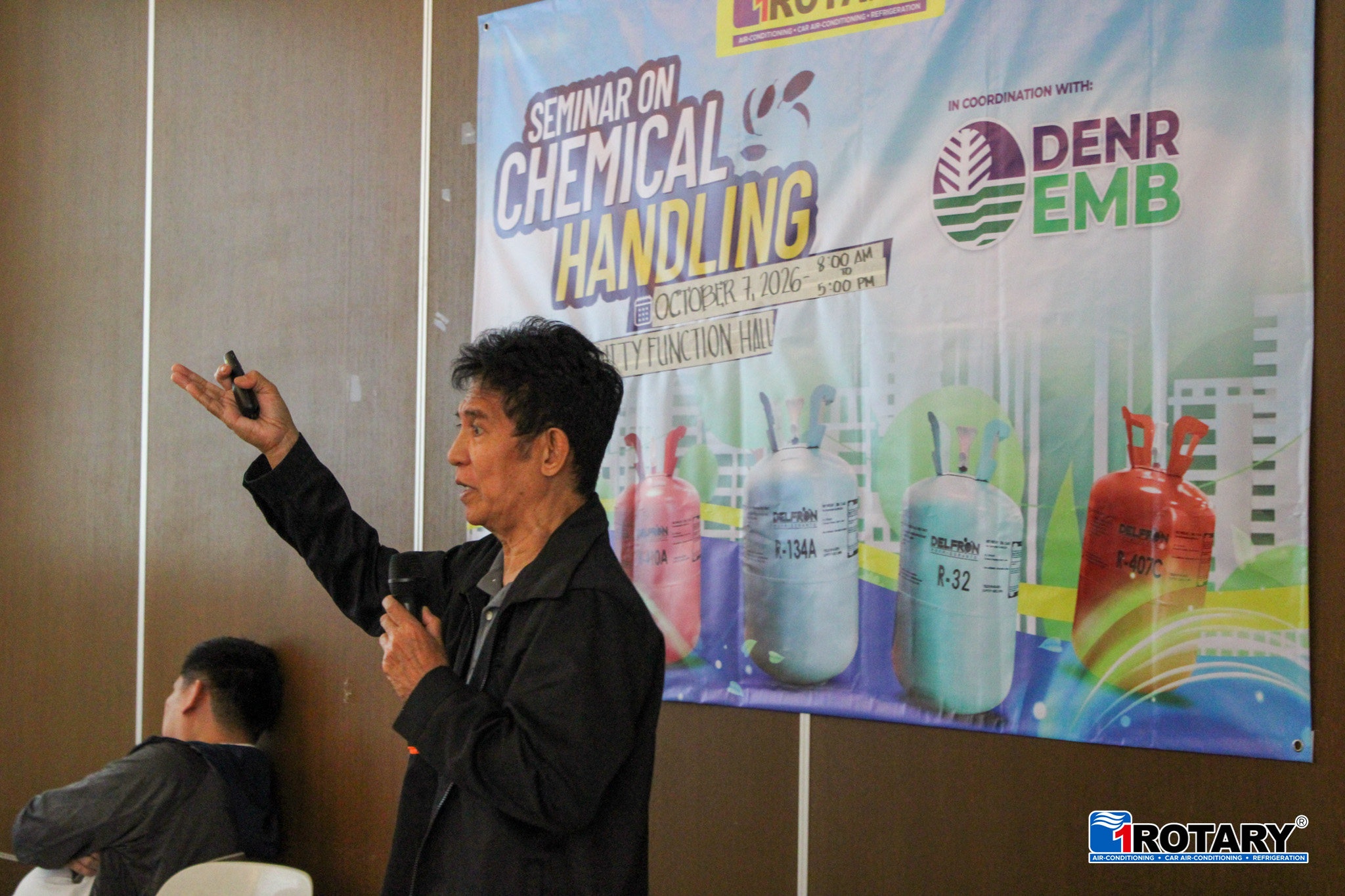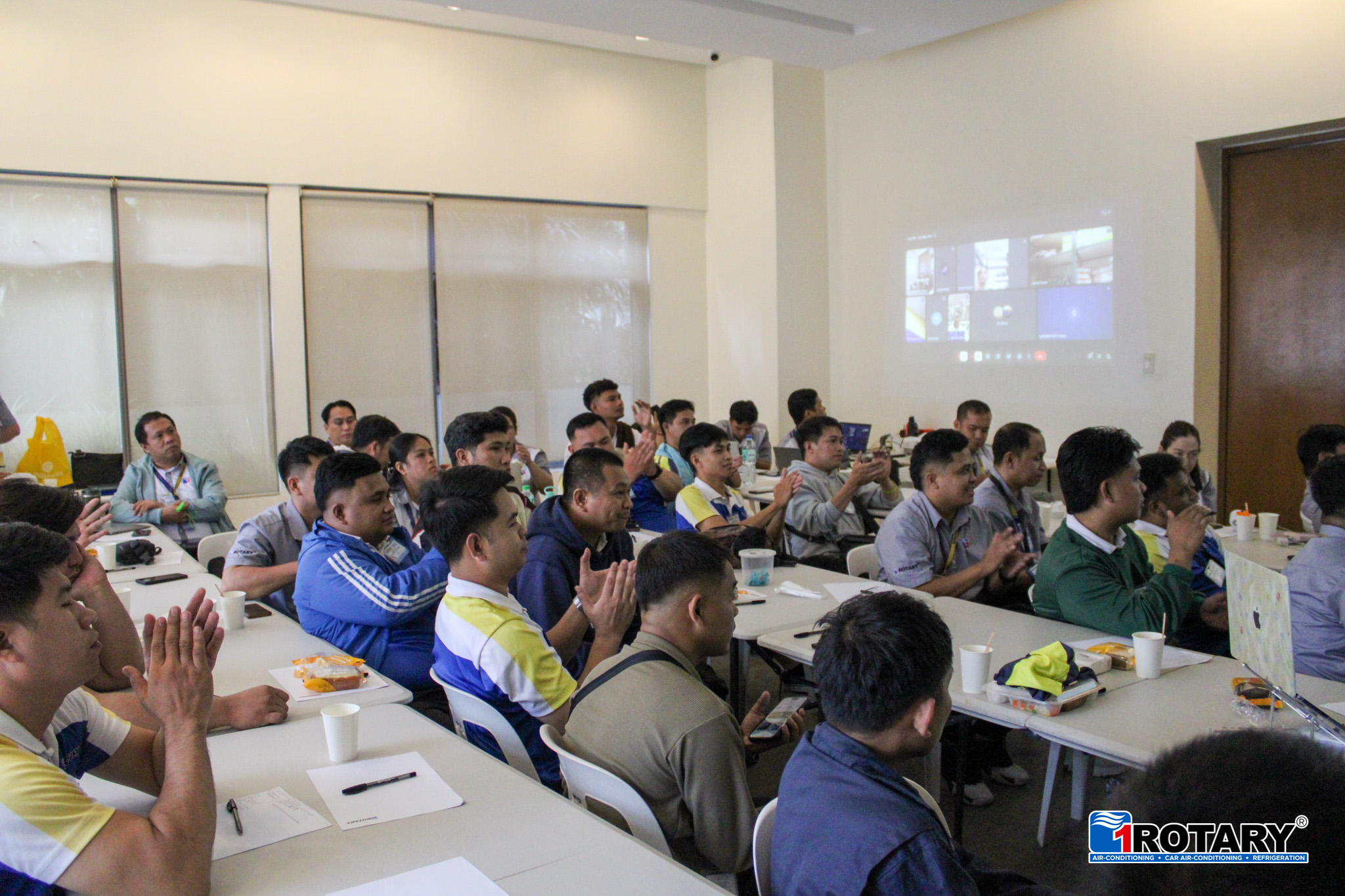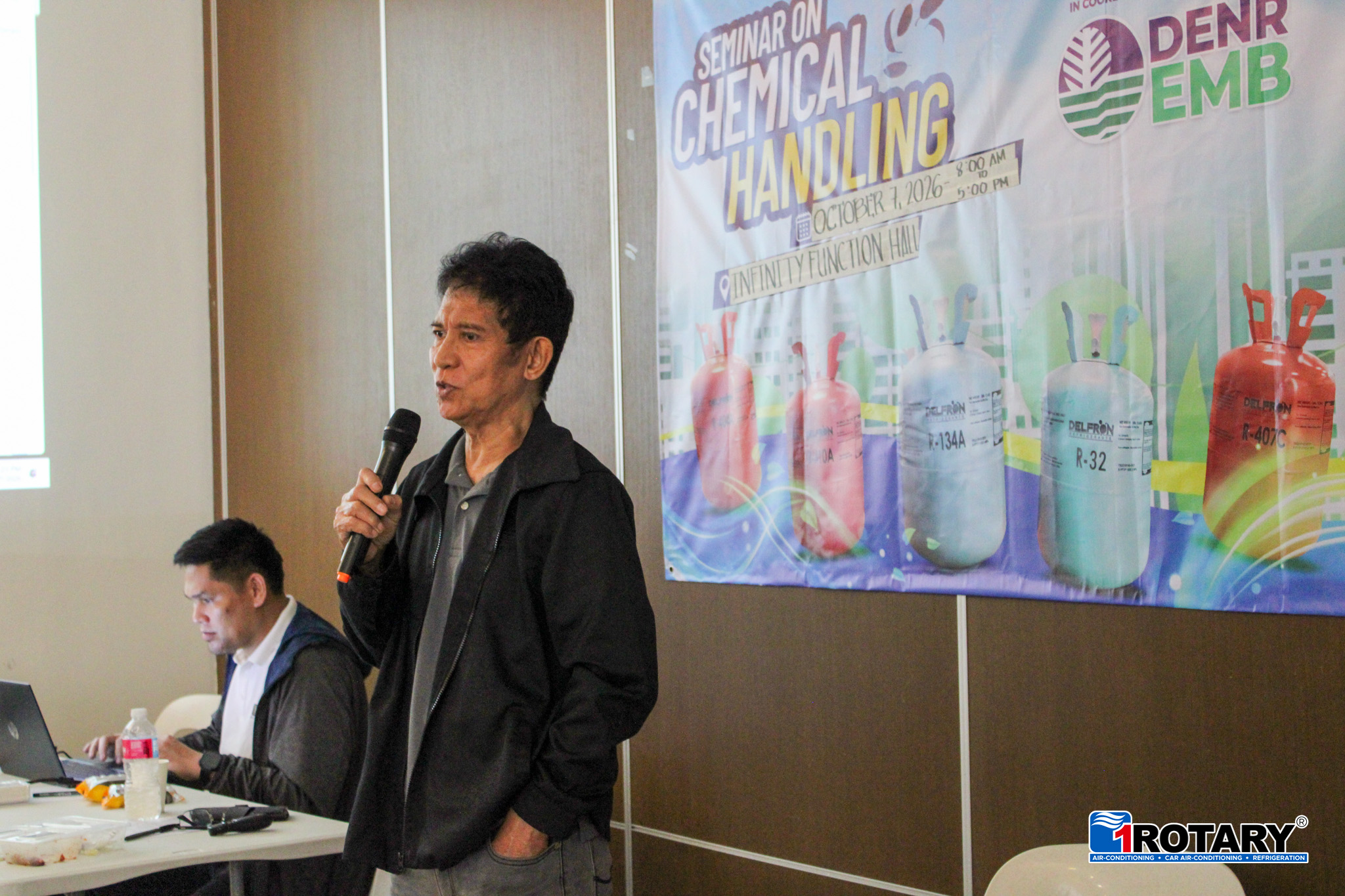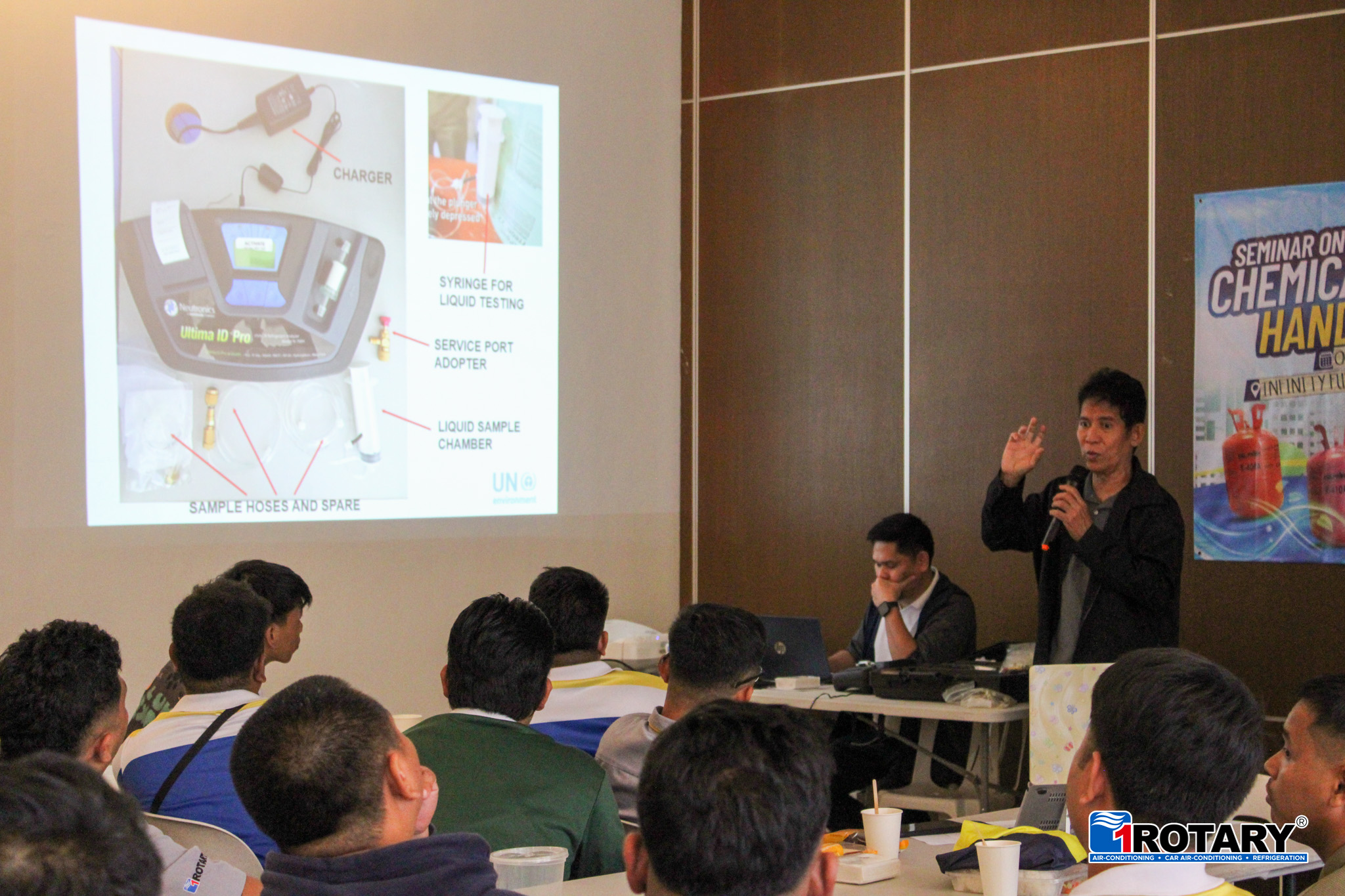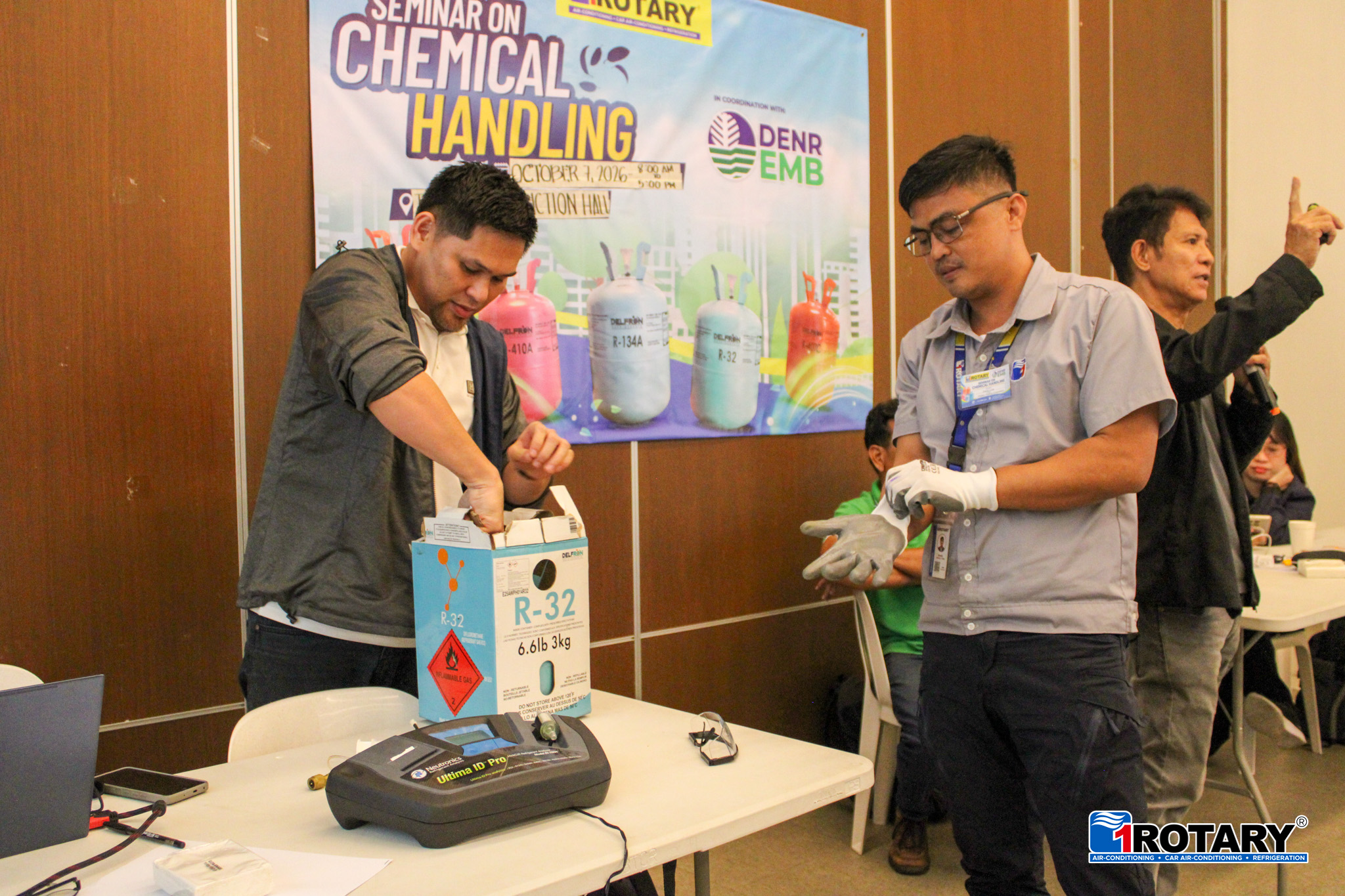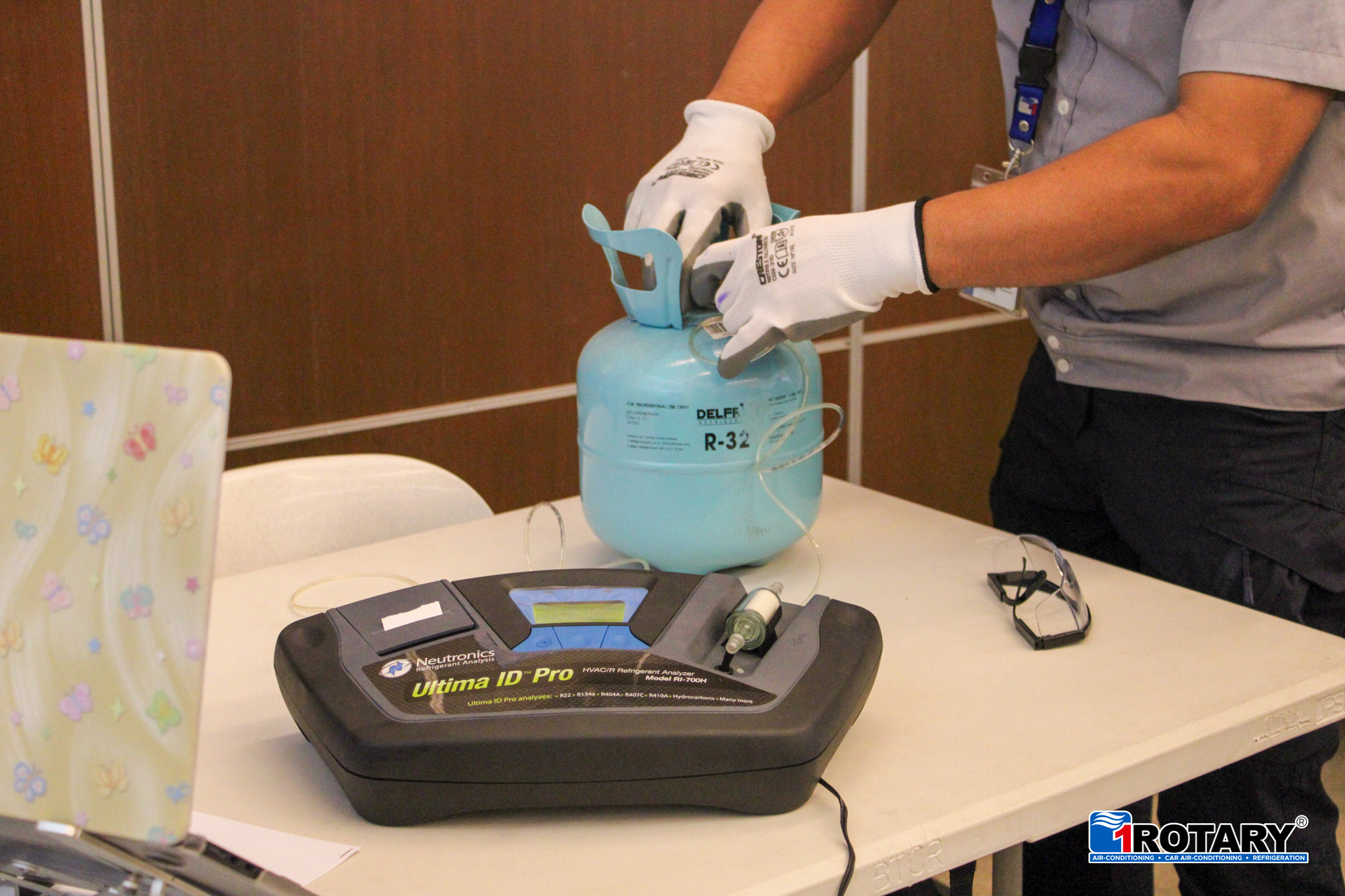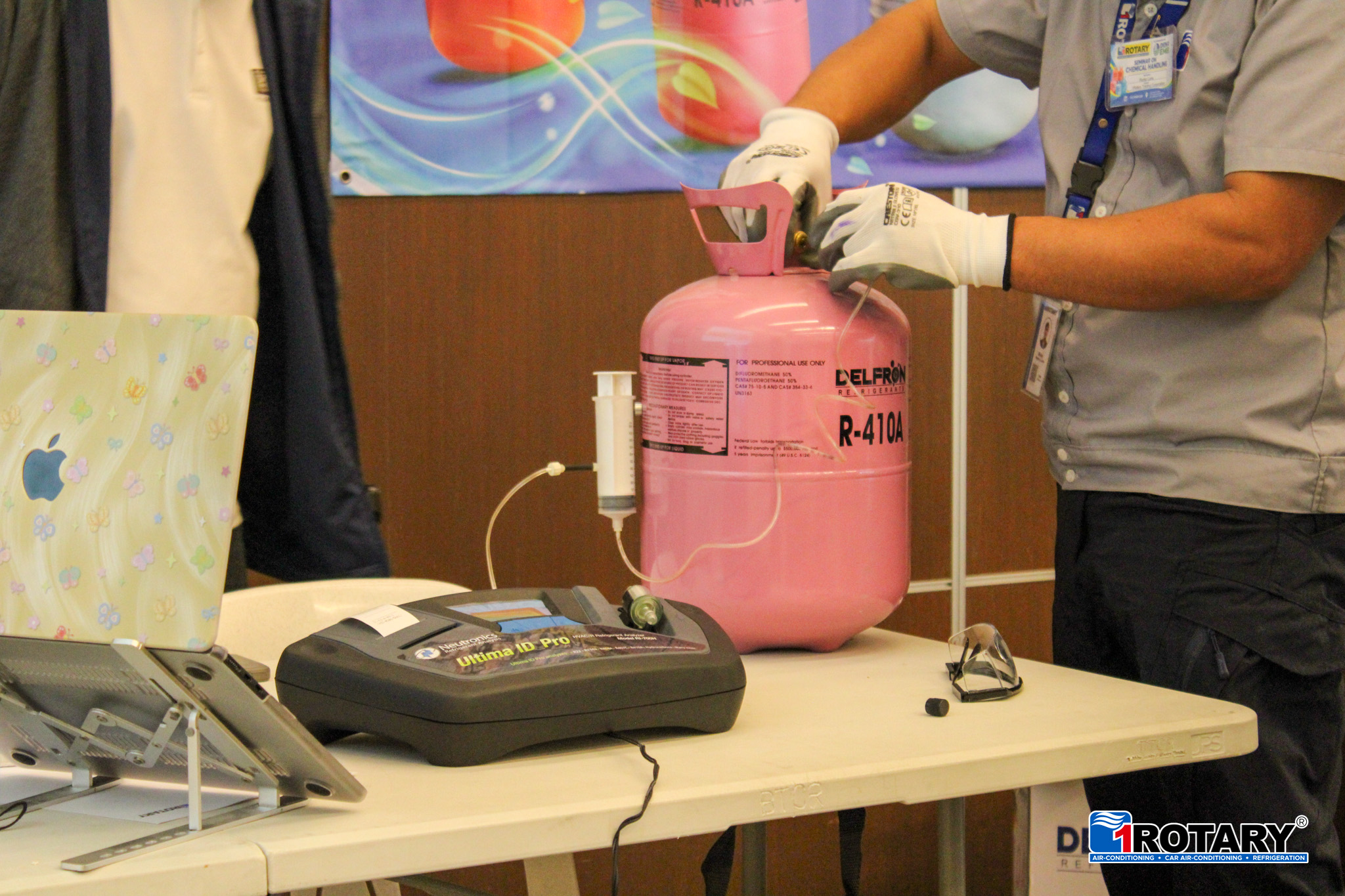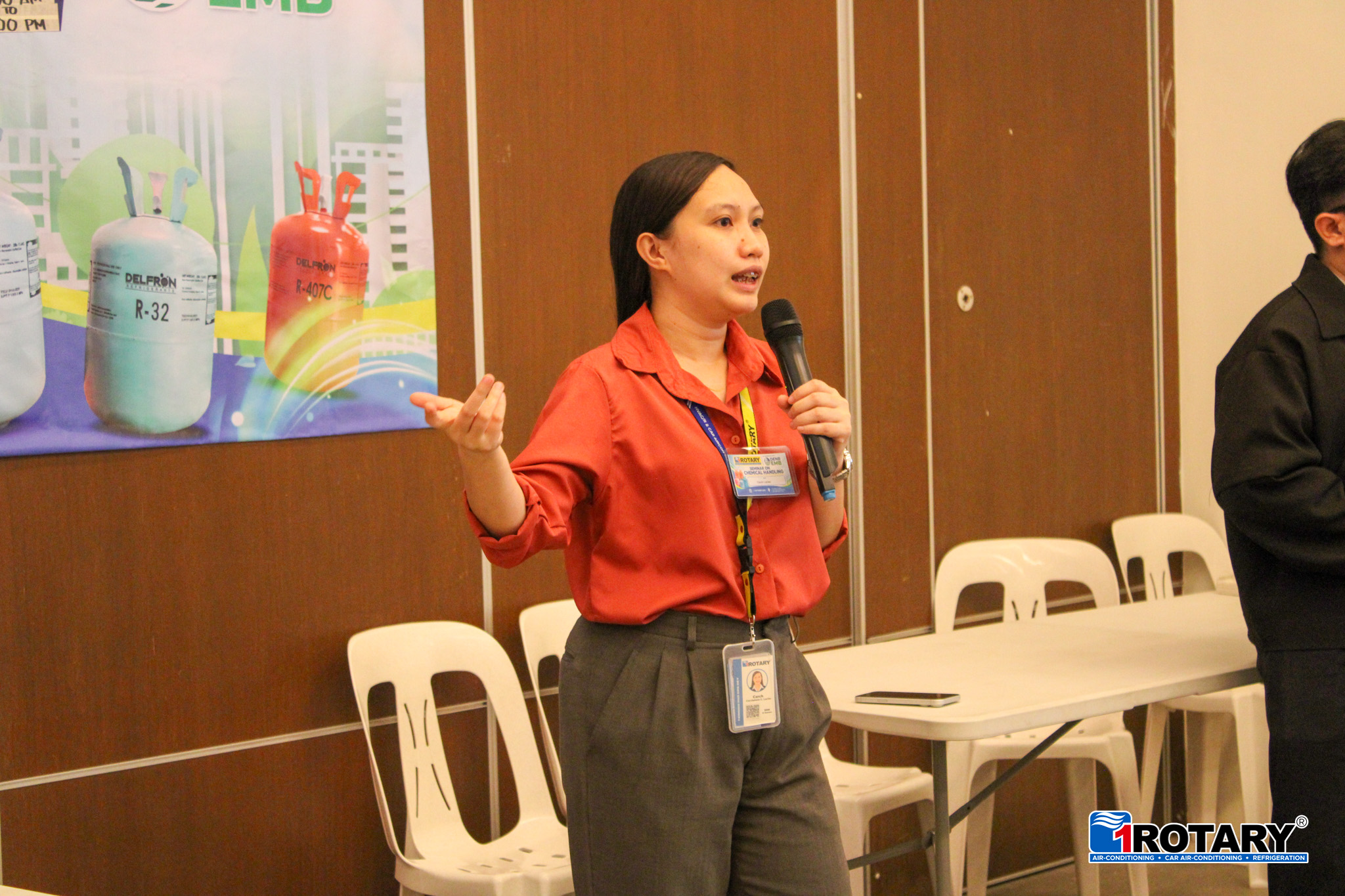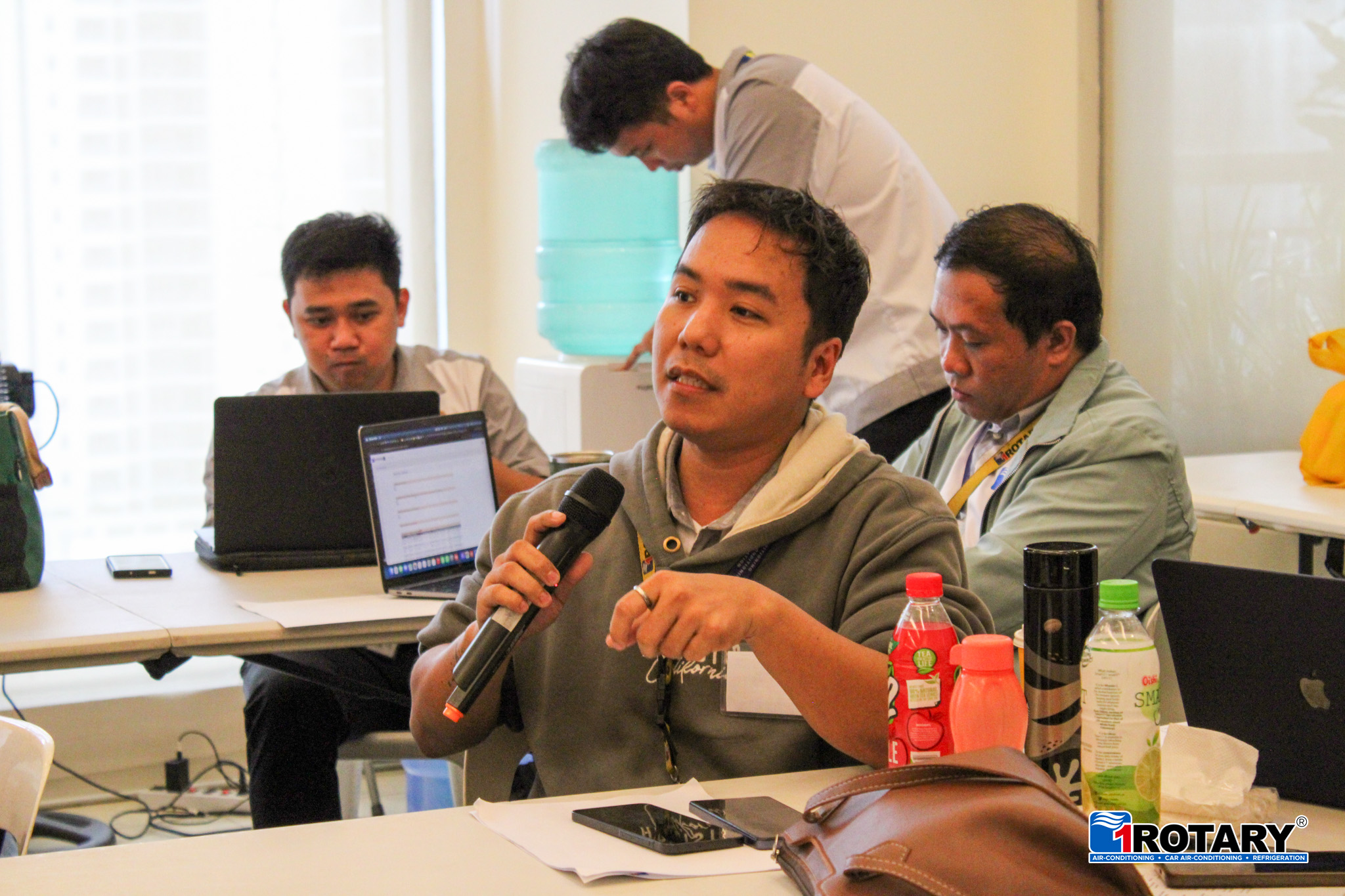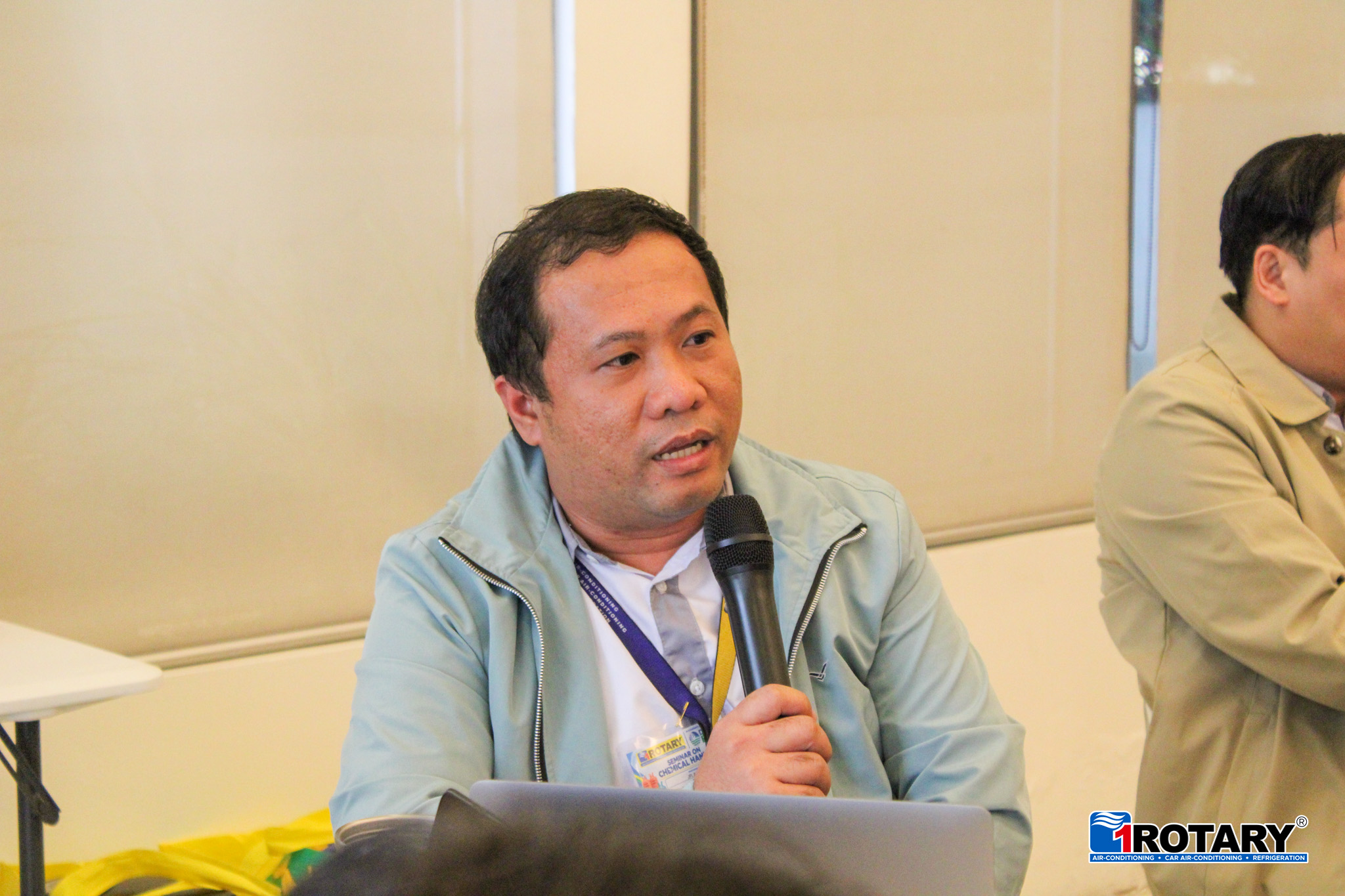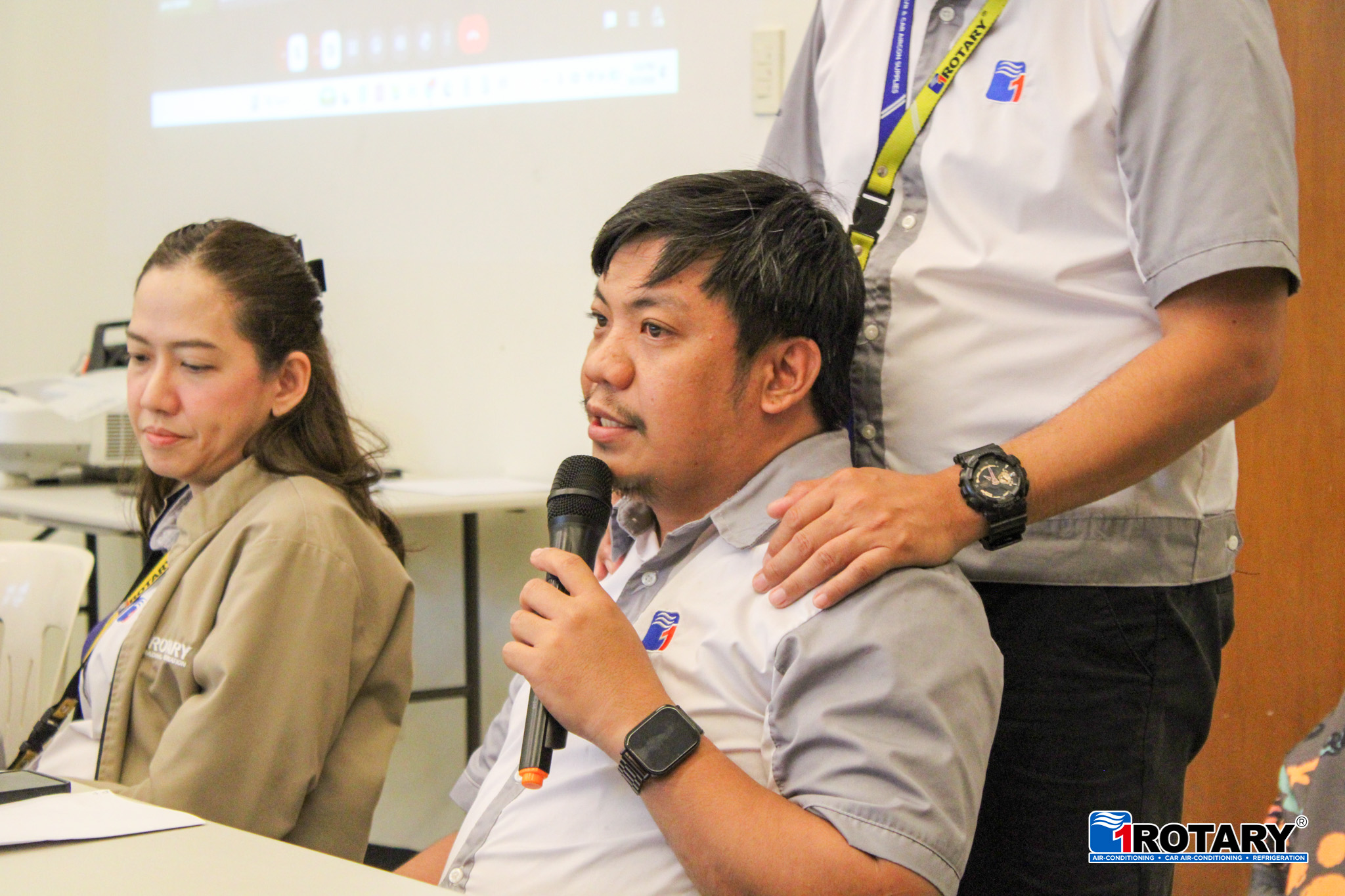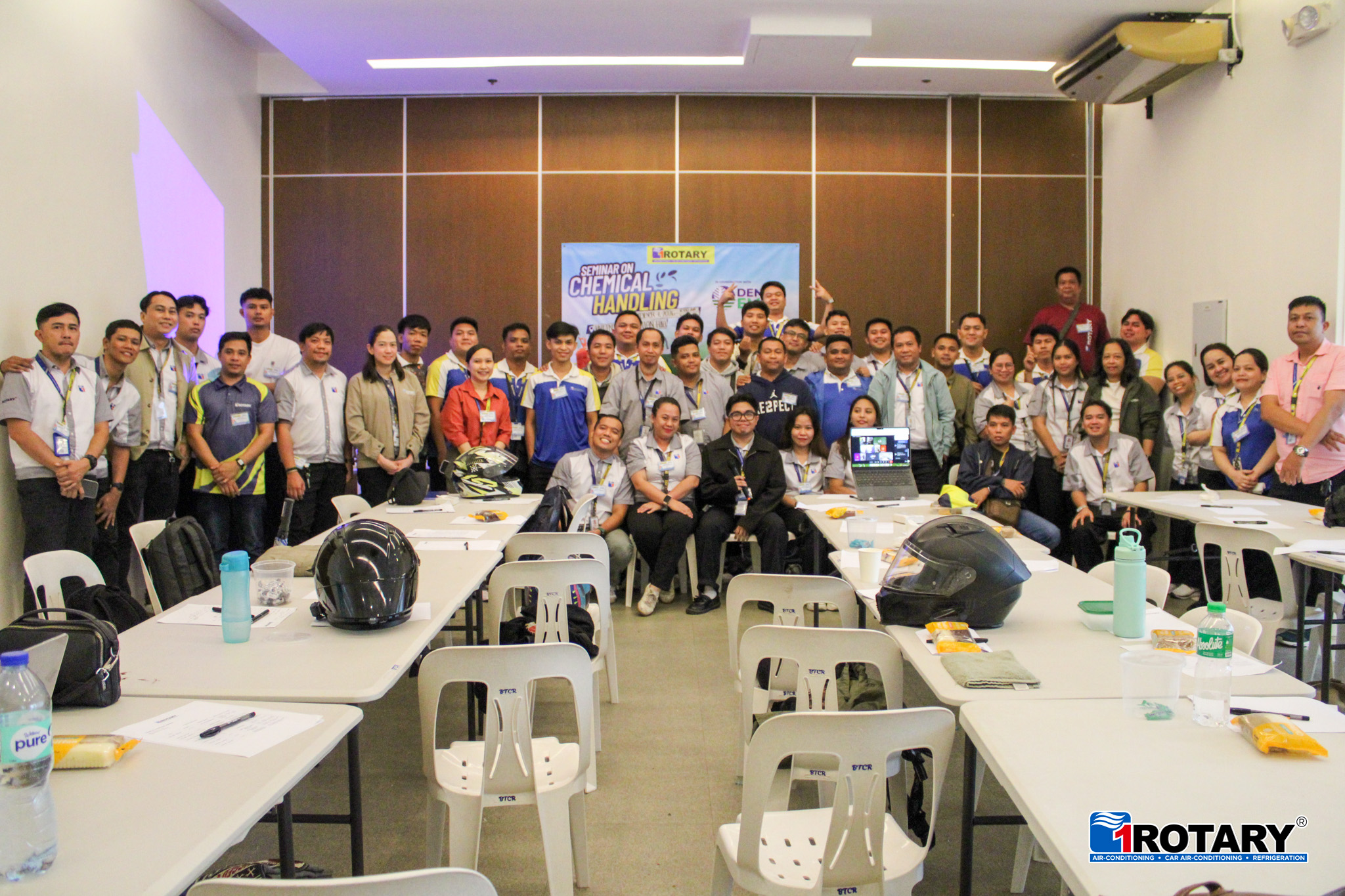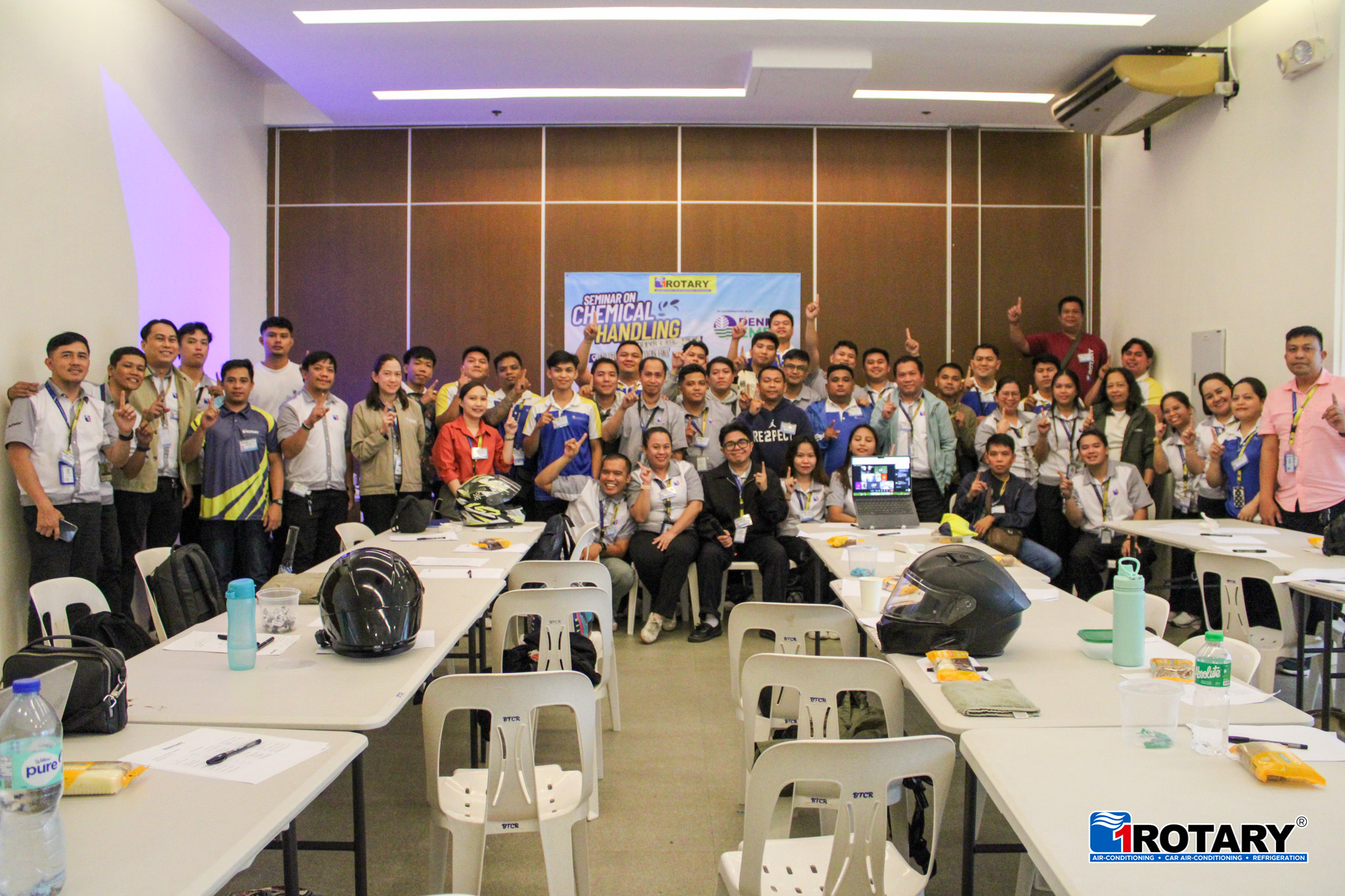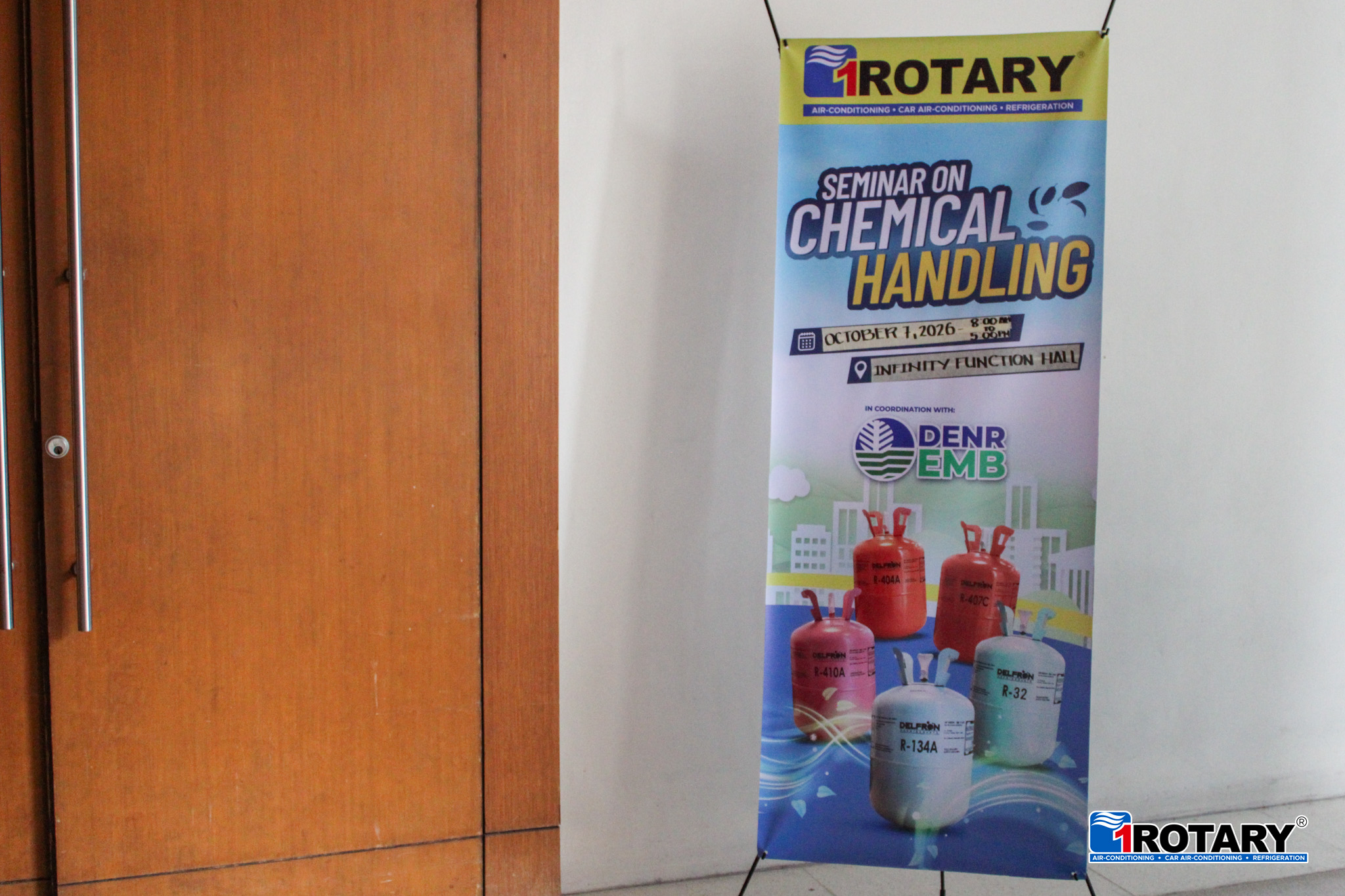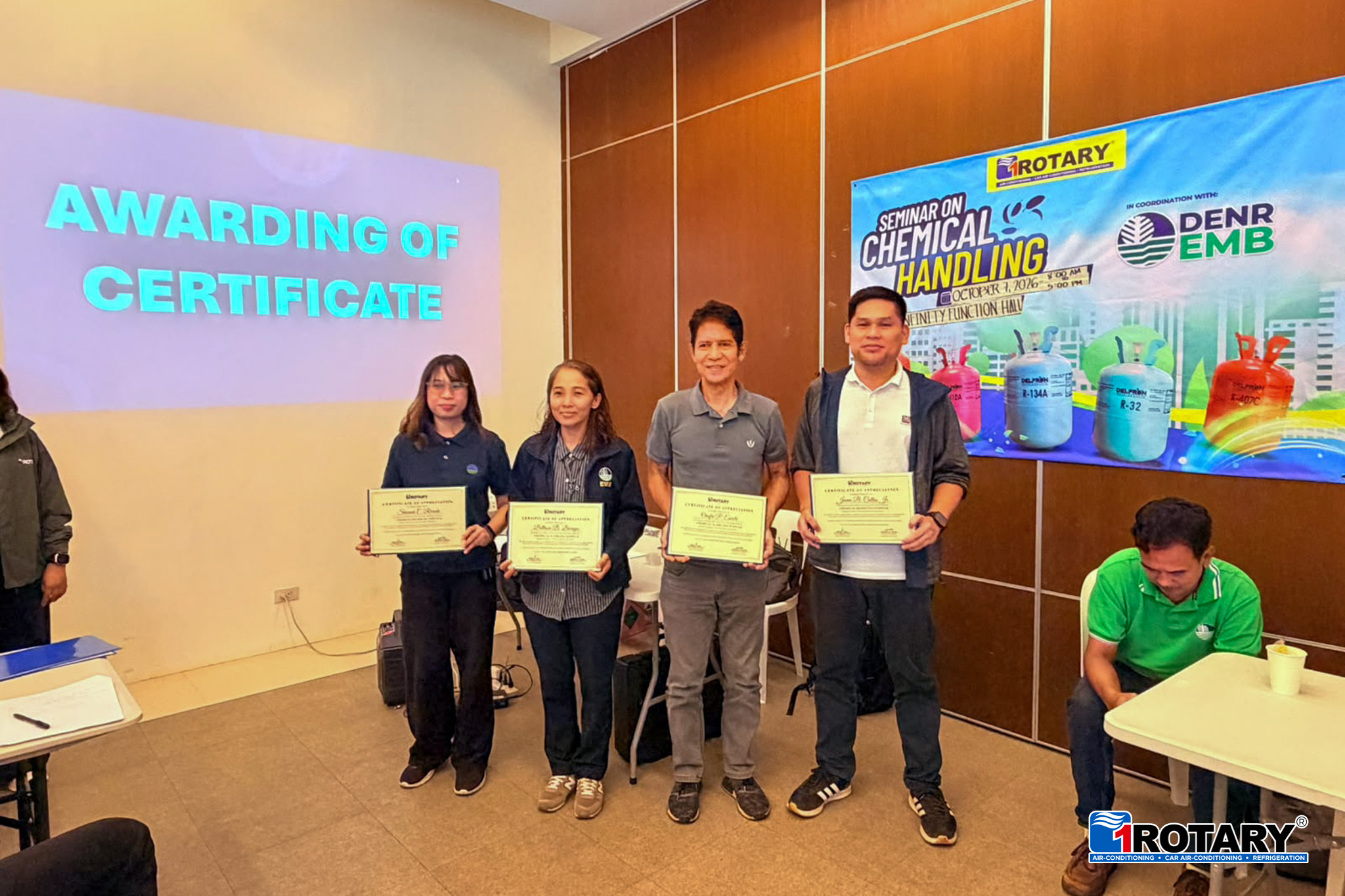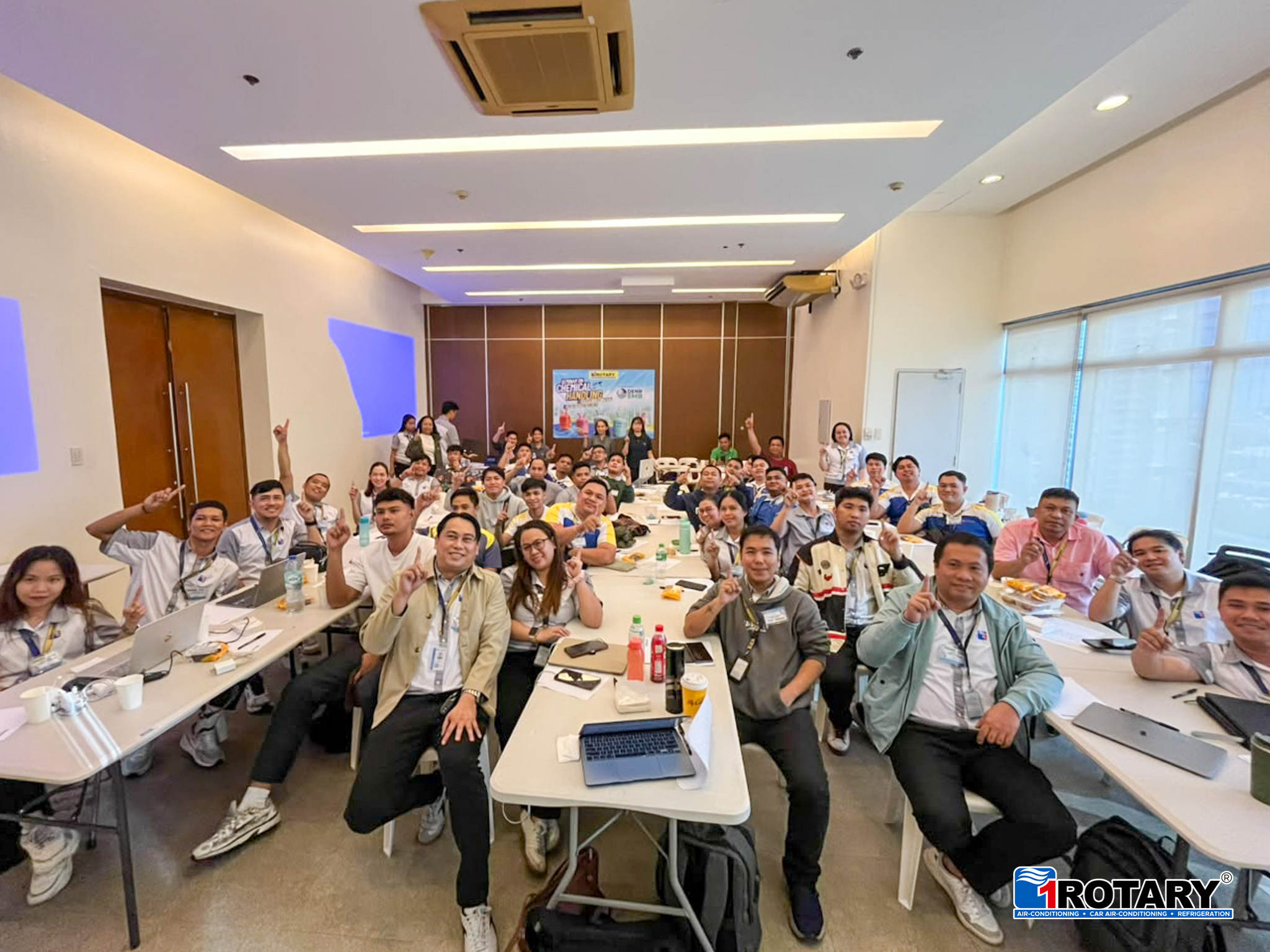
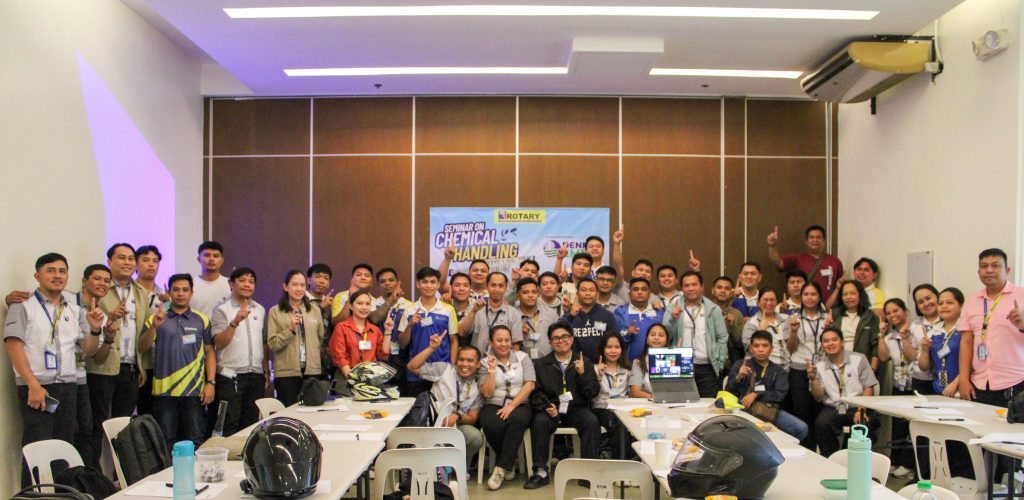
As part of its continuing commitment to responsible practices in the refrigeration and air-conditioning industry, 1Rotary Trading Corporation participated in a Chemical Handling Seminar hosted by the Department of Environment and Natural Resources – Environmental Management Bureau (DENR-EMB) on October 7, 2026.
The seminar focused on proper chemical handling and management, with particular emphasis on refrigerants, ozone protection, environmental regulations, and the industry’s transition toward more climate-friendly technologies.
For 1Rotary, the discussion provided an important reminder that the products used throughout the refrigeration and air-conditioning industry have an environmental impact that extends far beyond their application.
Understanding the Ozone Layer and Ozone Depletion
The ozone layer, located in the stratosphere, protects life on Earth by absorbing much of the Sun’s harmful ultraviolet (UV) radiation.
Certain chemicals known as ozone-depleting substances (ODS) can reach the stratosphere, where they contribute to chemical reactions that destroy ozone. Among the best-known ODS are chlorofluorocarbons (CFCs) and hydrochlorofluorocarbons (HCFCs).
The environmental consequences of ozone depletion include increased exposure to harmful UV radiation, which can affect human health, ecosystems, and materials.
This scientific understanding led to the creation of the Montreal Protocol on Substances that Deplete the Ozone Layer, adopted in 1987 and entering into force in 1989. The international agreement established controls to phase out the production and consumption of ozone-depleting substances. Ozone Secretariat
The agreement is widely recognized as one of the most successful international environmental treaties. UNEP’s latest information indicates that, assuming continued compliance, the ozone layer is expected to recover to approximately 1980 levels around 2040 for the global average, 2045 in the Arctic, and 2066 over Antarctica. Ozone Secretariat
From Ozone Depletion to Climate Change
One of the important lessons from the seminar is that not all refrigerants affect the ozone layer in the same way.
When CFCs and HCFCs were phased down, many applications transitioned to hydrofluorocarbons (HFCs).
HFCs do not deplete the ozone layer, but many HFCs are powerful greenhouse gases with high Global Warming Potential (GWP). This created another environmental challenge: protecting the ozone layer while also reducing the climate impact of refrigerants. Ozone Secretariat
This is where the Kigali Amendment to the Montreal Protocol becomes important.
Adopted in Kigali in 2016, the amendment established a global framework for the phasedown of HFC production and consumption. Ozone Secretariat
The Philippines ratified the Kigali Amendment in 2022, and it entered into force for the country on February 2, 2023. The Philippine government has committed to reducing HFC consumption by 80% over the coming decades. POD
What Does This Mean for Refrigerants?
The seminar highlighted why refrigerant selection and proper refrigerant management are becoming increasingly important.
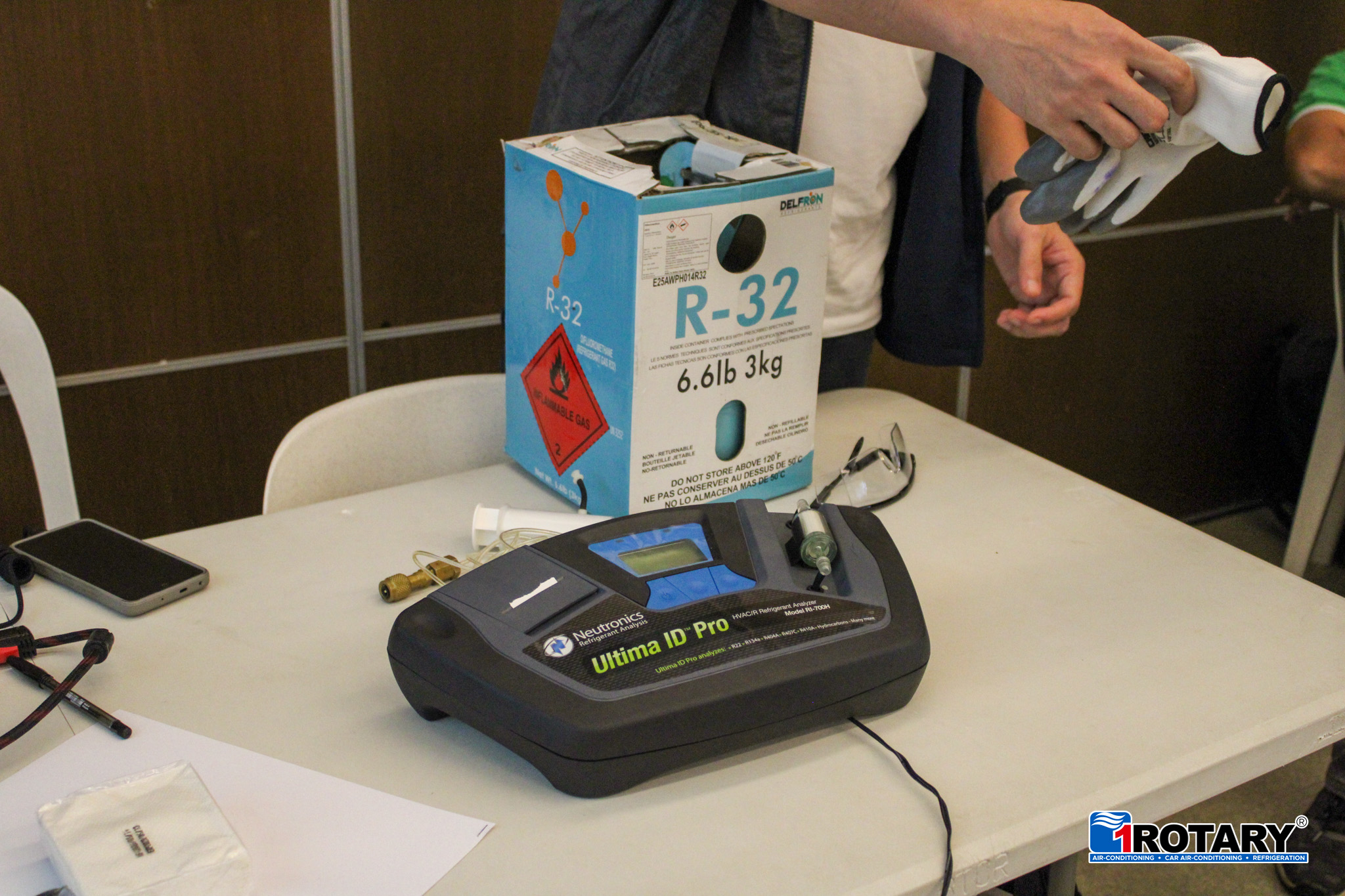
For example, R-134a and R-32 are HFC refrigerants. They have zero ozone-depleting potential, but they are included among the HFCs controlled under the Kigali Amendment.
The Kigali Amendment lists a 100-year GWP of 1,430 for HFC-134a (R-134a) and 675 for HFC-32 (R-32). Ozone Secretariat
R-410A, meanwhile, is an HFC blend composed primarily of R-32 and R-125. Although it does not deplete stratospheric ozone, its relatively high GWP means that it is also relevant to the global HFC phasedown.
This does not mean that these refrigerants suddenly become prohibited. Rather, the international framework is designed to progressively reduce the overall consumption of high-GWP HFCs and encourage the transition toward suitable alternatives and technologies with lower environmental impact.
The Philippine government has already established controls on HFC importation and consumption through DENR Administrative Order 2021-31, the Chemical Control Order for HFCs. The regulations include licensing controls and requirements related to responsible refrigerant handling and the collection and proper treatment of spent refrigerants from decommissioned refrigeration and air-conditioning equipment. POD
HCFCs: A Different Environmental Concern
The seminar also reinforced the importance of understanding HCFC refrigerants, such as R-22, R-123, and R-141b.
Unlike HFCs, HCFCs are ozone-depleting substances because they contain chlorine that can contribute to stratospheric ozone depletion.
The Philippines has an established HCFC phase-out schedule. Under the country’s program, HCFC imports were progressively reduced, reaching a targeted 97.5% reduction by 2030 from the established baseline. From 2030 through 2039, only a limited quantity is allowed for servicing, and from 2040, HCFC imports are generally prohibited, subject to applicable essential-use provisions. POD
This transition demonstrates why refrigeration and air-conditioning professionals need to stay informed about the changing regulatory landscape and the refrigerants being used in the industry.
The Importance of Proper Refrigerant Handling
Environmental protection does not stop at choosing the right refrigerant.
How refrigerants are stored, transported, charged, recovered, recycled, and disposed of also matters.
Improper handling can result in unnecessary refrigerant emissions into the atmosphere. Philippine HFC regulations specifically recognize the importance of proper refrigerant handling during servicing and the collection and proper treatment of spent refrigerants from decommissioned equipment. POD
For industry professionals, responsible practices include:
- Preventing refrigerant leaks through proper installation and servicing;
- Avoiding unnecessary release of refrigerants into the atmosphere;
- Properly recovering refrigerants during equipment servicing and decommissioning;
- Following applicable DENR-EMB requirements for regulated chemicals;
- Using refrigerants appropriate for the equipment and application;
- Properly storing and handling refrigerant cylinders and chemicals; and
- Continuously learning about lower-impact refrigerants and emerging technologies.
Alternative refrigerants such as R-290 (propane) and R-600a (isobutane) are examples of natural refrigerants being used in appropriate applications. However, their environmental advantages must be considered together with safety requirements, as these refrigerants are flammable.
The Montreal Protocol’s technical assessment process specifically considers factors such as environmental impact, energy efficiency, flammability, toxicity, technical feasibility, and economic viability when evaluating alternatives. Ozone Secretariat
Using WhatGas? to Identify Refrigerants
As part of responsible refrigerant management, industry professionals can also use WhatGas?, the UNEP OzonAction refrigerant identification and information application.
WhatGas? is designed to help refrigeration and air-conditioning technicians, customs officers, and other stakeholders identify and understand refrigerants, including ozone-depleting substances (ODS), HFCs, and other alternatives. The application contains information on both pure refrigerants and refrigerant blends.
68 1Rotary Employees Participate
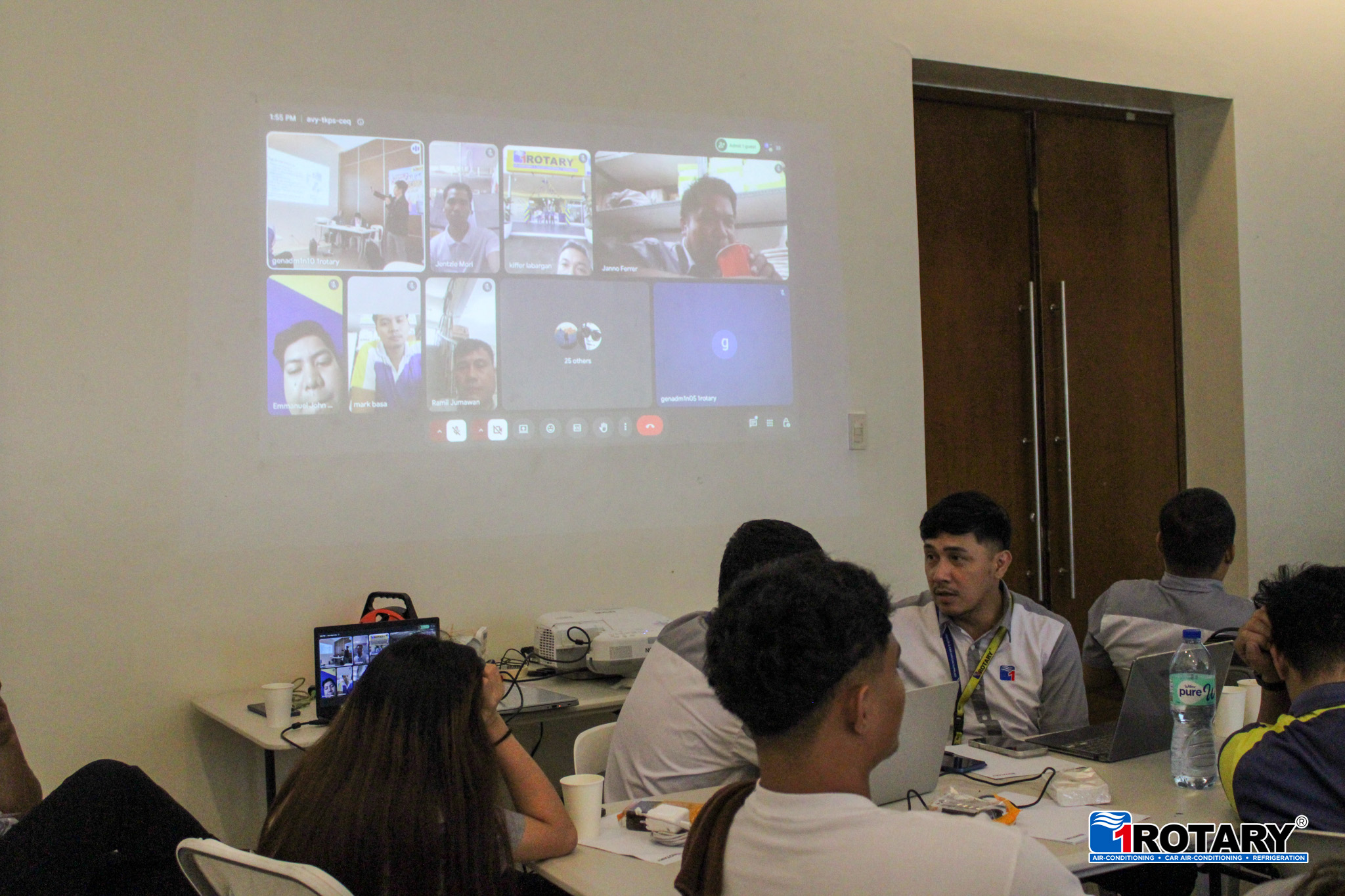
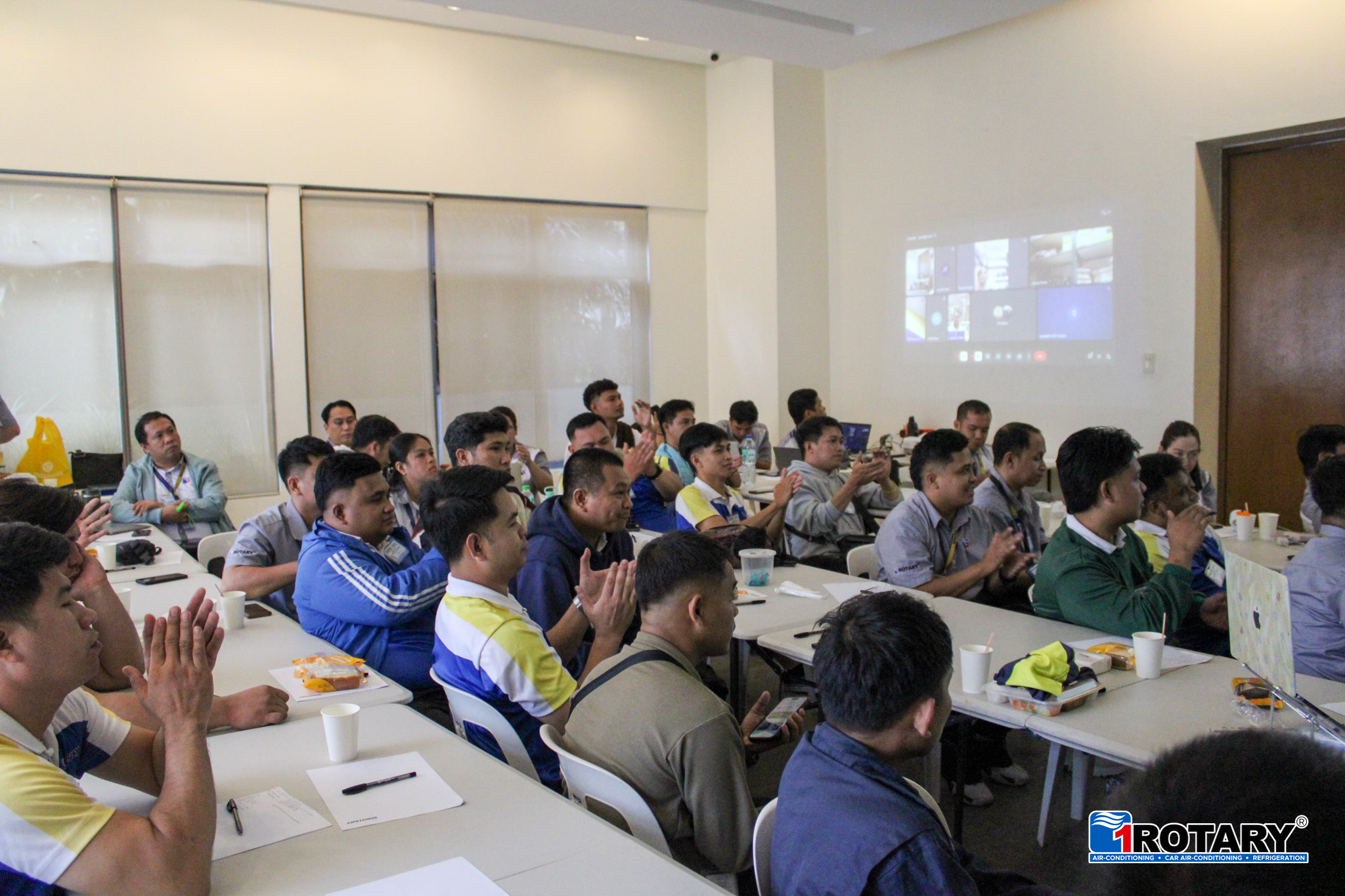
The Chemical Handling Seminar was attended by 68 1Rotary employees, demonstrating the company’s effort to extend environmental awareness and responsible chemical handling across different areas of the organization.
44 employees participated face-to-face, while 24 joined virtually.
Participants represented various regions, including NCR, Region 4A, Region 2, Region 6, Region 7, Region 11, Region 12, and the Head Office.
The broad participation reflects the importance of environmental responsibility across the organization—not only among technical personnel, but also among the different teams that support 1Rotary’s operations.
1Rotary’s Commitment to Responsible Industry Practices
As a company serving the refrigeration, air-conditioning, and HVAC industry, 1Rotary Trading Corporation recognizes its role in supporting the industry’s transition toward responsible chemical and refrigerant management.
Through continued engagement with DENR-EMB and awareness of international environmental commitments such as the Montreal Protocol and Kigali Amendment, 1Rotary aims to remain aligned with evolving environmental standards and responsible industry practices.
The transition toward more environmentally responsible refrigeration is a shared responsibility.
Every properly handled refrigerant, every prevented leak, every recovered chemical, and every informed industry professional can contribute to protecting the ozone layer and reducing the climate impact of refrigeration and air-conditioning.
For 1Rotary, environmental responsibility is not simply about complying with regulations—it is about understanding why these changes matter and doing our part to support a more sustainable future.
1Rotary Trading Corporation
Committed to responsible practices. Committed to continuous learning. Committed to a better future.